
The New Language of Manufacturing
A New Way of Seeing:
Clarity, Credibility & the Soul of a B2B Brand.
B2B companies rarely struggle because their work isn’t good enough. They struggle because the world can’t see them clearly.
In manufacturing especially, decades of expertise sit behind outdated templates, inconsistent messaging, and content that speaks “industry” but not “identity.” Through my experience leading content and design transformation inside a large garment-manufacturing group, I created a simple, human-centred framework — The 4 Cs — to bring clarity, credibility, consistency, and conversion back into the story. Not a formula. A mindset shift.
1. Clarity - Say What You Actually Do.
Most manufacturers sound the same:
- “We make quality products.”
- “We offer competitive pricing.”
- “We deliver on time."
Clear? Yes. Differentiated? No.
Clarity requires naming your real value — simply and confidently.
This begins with a content audit that spans everything from websites and pitch decks to sampling workflows and sustainability communication. The pattern is always similar: the company doesn’t lack capability; it lacks the right vocabulary.
Once the language is reframed around expertise, innovation, culture, and responsibility, the brand becomes unmistakably itself.
2. Credibility — Show, Don’t Insist
Credibility is built through evidence, not adjectives. For manufacturers, that meant:
- Process photography and factory walkthrough videos
- Better-designed capability documents
- More structured case studies
- Honest sustainability narratives grounded in real data
- A visual identity that reflected the maturity of the work
This is where design becomes a strategic lever. When the brand looked coherent, the business immediately felt even more trustworthy.
In manufacturing, trust is emotional — not technical.
It’s built through what people perceive, not just what you produce. That single idea reframed how we communicated everything.

The emotional resonance of the work — craftsmanship, care, responsibility — began to matter just as much as the output. And that shift changed how customers engaged with us.
3. Consistency - Build a System, Not One-Off Assets
Before creating a shared content system, every team communicated differently.
Marketing spoke one language. Sales another. Design another. Sustainability another. This fragmentation diluted the story.
So we rebuilt from the ground up:
- Clear Brand Guidelines
- A Modular Pitch Deck
- Content Playbooks
- A Smoother Workflow
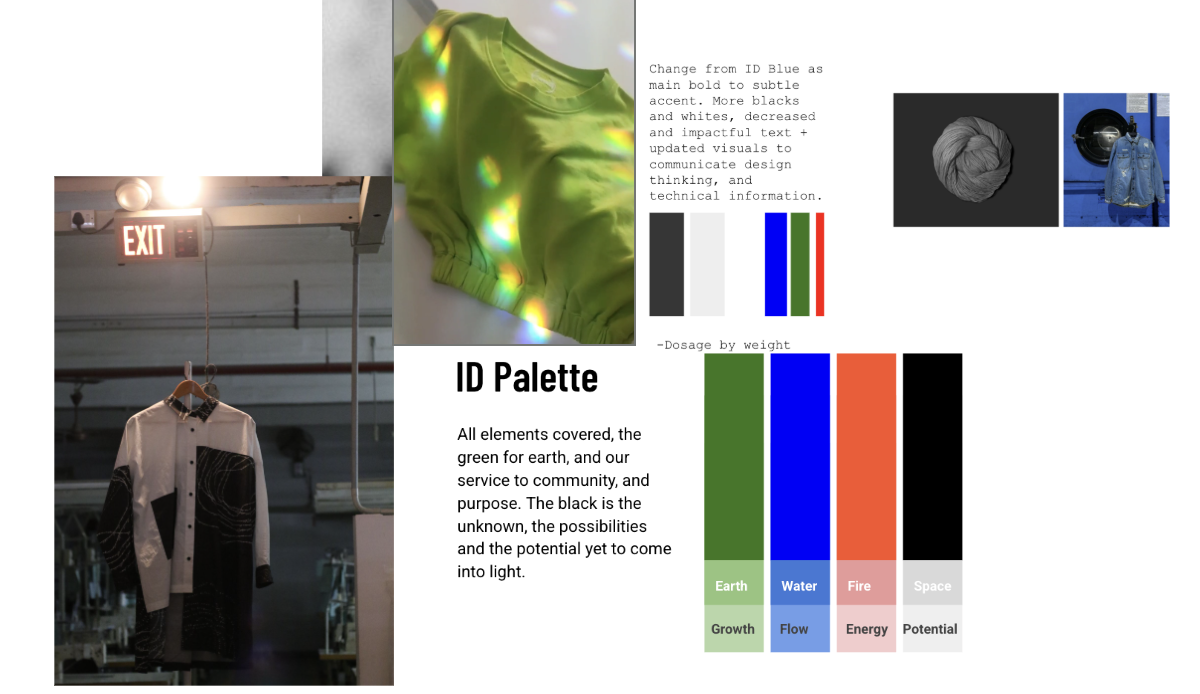
- A Redesigned Website aligned to the Company's Identity
4. Conversion - Turning Awareness into Opportunity
In B2B, conversion isn’t transactional.
It’s relationship-driven.
Conversion looks like:
- Better briefs
- More qualified leads
- Requests for plant tours
- Deeper capability conversations
- Meaningful expansion with existing customers
The 4 Cs offer manufacturers — and any B2B organization — a grounded, creative, and human approach to storytelling.
A framework that is not loud, but clear.
Not flashy, but credible.
Not rigid, but consistent.
Not pushy, but effective.
A framework that reflects who you are — and who you’re becoming.
{ A Personal Note }
Where Strategy Meets Soul
In the end, content strategy isn’t really about content at all.
It’s about understanding who you are, what you stand for, and what you hope others feel when they encounter your work.
When I stepped deeper into the world of manufacturing, I didn’t find machinery at the center of it — I found people. I found pride, craft, intuition, heritage, and a quiet desire to be seen for more than what gets produced.
Somewhere in that space between capability and identity, the 4 Cs emerged.
Because every business — even the most technical, even the most operational — carries a story at its core.
A story that wants to be shaped, expressed, and felt.
Over time, this work has become less about improving communication and more about honouring that story.
Helping teams reclaim their voice.
Helping brands speak with clarity and conviction.
Helping the world recognize what was always there.
And maybe that’s the real purpose of content:
to bring us back to ourselves, one truth at a time.
If this resonates, open to exploring what it could mean for your brand. Most shifts begin in conversation.